Terra, Herald of Hope
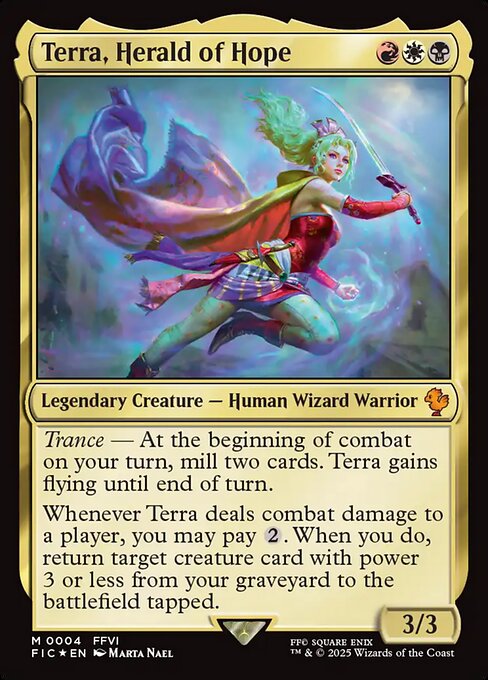
Trance — At the beginning of combat on your turn, mill two cards. Terra gains flying until end of turn. Whenever Terra deals combat damage to a player, you may pay {2}. When you do, return target creature card with power 3 or less from your graveyard to the battlefield tapped.
A ready-made Terra decklist
Complete 100-card Mardu deck, free to read, with prices and buy links.
How Terra decks play in EDH
Terra costs three mana in red, white and black, mills two cards and gains flying at the beginning of combat on your turn, and lets you pay two mana to return a creature with power 3 or less from your graveyard to the battlefield whenever she connects. She fills her own graveyard and then spends it. Build her if you like recursion decks that do not need a separate self-mill package.
The engine
The mill happens every turn whether you attack or not, so by the time she connects there is usually something worth returning. The flying is the other half: it is granted at the beginning of combat on your turn, which means she reliably gets through, which means the recursion trigger reliably happens. Two mana to return a cheap creature every turn is a steady engine, and because the limit is power 3 or less, the deck wants small creatures with strong effects rather than large ones.
Power 3 or less is the whole card pool
The restriction shapes every creature slot. A deck of large creatures mills them into a graveyard it cannot use, so the right build is full of cheap creatures with enter-the-battlefield triggers or death triggers, which the recursion then reuses every turn. Blood Artist is the model: small, cheap, and better the more times it enters and dies. Viscera Seer gives you a free sacrifice outlet so the returned creature can be used again.
Self-mill is built in but thin
Two cards per turn is reliable but slow, and a deck that wants a specific creature in the graveyard will be waiting. Adding dedicated self-mill speeds everything up: Stitcher's Supplier puts six cards there across two triggers for one mana, and Altar of Dementia converts any creature into a mill of its power at instant speed. Both also happen to be cheap creatures and artifacts the deck wants anyway.
She has to connect
No combat damage means no recursion, so the flying she grants herself is doing a lot of work. Against a table with fliers that stops being reliable, which is the main thing that turns the deck off. It is worth running a small amount of evasion support or removal for flying blockers, because the difference between connecting every turn and connecting every other turn is the difference between an engine and a fair three-mana creature.
Where it goes wrong
This deck loses to graveyard hate, which empties the resource the recursion depends on, and to flying blockers, which stop the trigger entirely. The common building mistake is filling the deck with powerful expensive creatures, which the power 3 restriction cannot return, leaving your best cards stranded in the graveyard forever. The second mistake is forgetting the mill happens at the beginning of combat on your turn whether or not you attack, so you are milling yourself every single turn and need to be comfortable with where those cards end up.
Five cards to start with
- Blood Artist — Small enough to return, and better every time it enters and dies, which is exactly what the recursion does.
- Viscera Seer — A one-mana sacrifice outlet so the creature you returned can be used again before the next turn.
- Stitcher's Supplier — Six cards into the graveyard for one mana, which speeds up the deck's whole engine.
- Altar of Dementia — Instant-speed self-mill and a sacrifice outlet, which feeds and uses the graveyard at once.
- Sol Ring — The recursion costs two mana per trigger on top of your normal turn, so the mana adds up fast.
Most-played cards
20 cards · about $47.35Play rates from EDHREC. Prices from Scryfall, refreshed daily.
Ramp (3)

Removal (2)


Creatures (13)




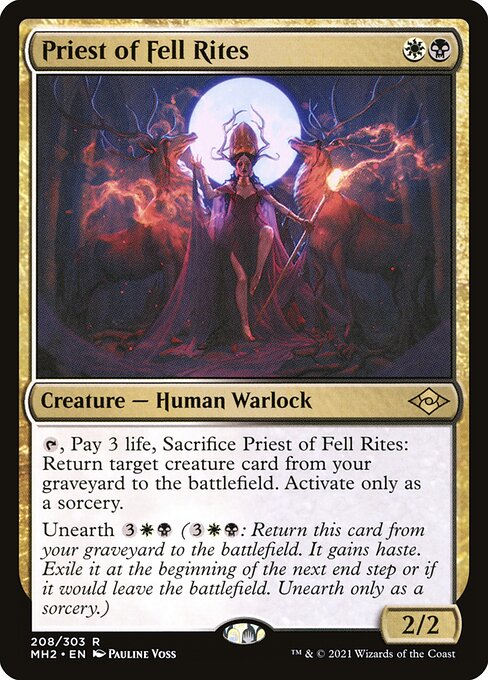
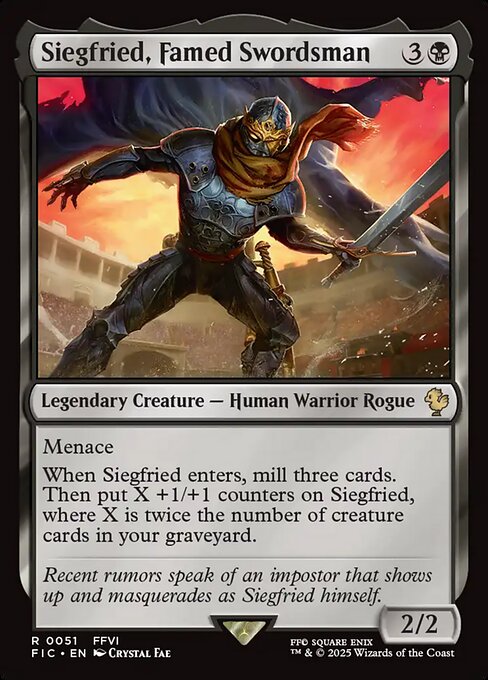

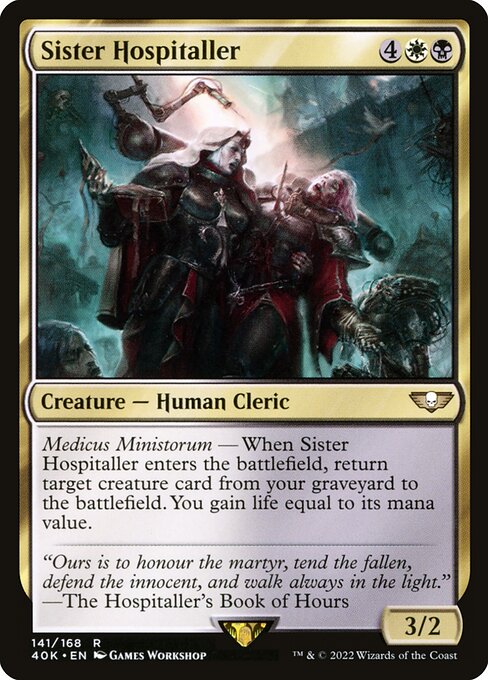
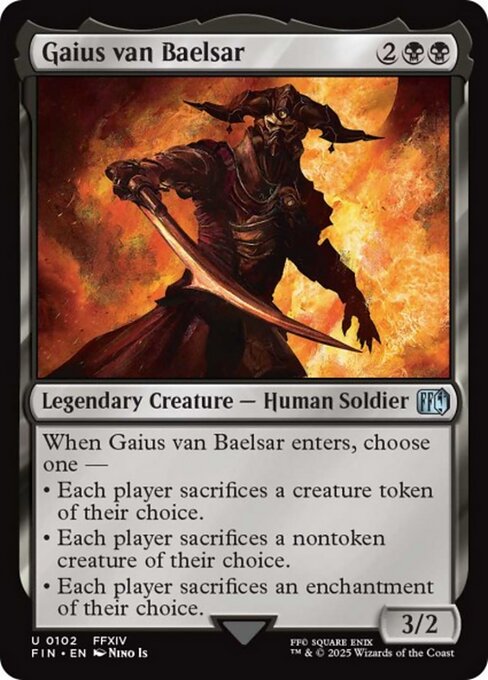
Synergy & payoffs (2)

Build the full 100
Grimoire generates a complete, Commander-legal Terra, Herald of Hope decklist with a written strategy, a full mana base and live prices — from the whole card pool, or only from cards you already own.
Start with TerraTerra deck questions
What colors can I use in a Terra, Herald of Hope deck?
Terra, Herald of Hope has a Mardu color identity, so every card in the deck must be white, black and red or colorless. That includes mana symbols in rules text, not just casting cost.
What are the best cards for Terra, Herald of Hope?
The cards played most often in Terra, Herald of Hope decks include Liliana the Repentant, Avacyn, Angel of Horror, Tamiyo, Upriser Crowned. The full list of staples above is grouped by the job each card does, so you can see the deck's skeleton rather than just a pile of names.
How much does a Terra, Herald of Hope deck cost?
The 20 most-played cards shown above come to roughly $47.35 at current market prices. A complete 100-card build costs more, and Grimoire can generate a budget version instead if you set a price ceiling.
Can I build a Terra, Herald of Hope deck from cards I already own?
Yes. Import your collection into Grimoire and choose "my cards" when you build. The generator will only use cards you actually own, and the Missing Cards page shows what you would need to buy to finish any list.