Satoru Umezawa

Whenever you activate a ninjutsu ability, look at the top three cards of your library. Put one of them into your hand and the rest on the bottom of your library in any order. This ability triggers only once each turn. Each creature card in your hand has ninjutsu {2}{U}{B}.
A ready-made Satoru Umezawa decklist
Complete 100-card Dimir deck, free to read, with prices and buy links.
How Satoru Umezawa decks play in EDH
Satoru is a three-mana commander in blue and black who gives every creature card in your hand ninjutsu for four mana, and who digs three cards deep the first time you use ninjutsu each turn. Ninjutsu lets you return an unblocked attacker to your hand and put a creature into play attacking in its place. He lets you cheat enormous creatures onto the battlefield, already attacking. Build him if you like the idea of a one-drop turning into a game-ending threat mid-combat.
The engine
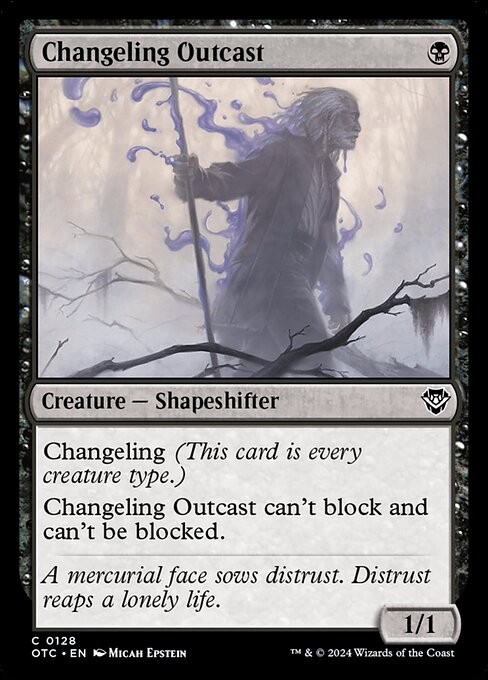
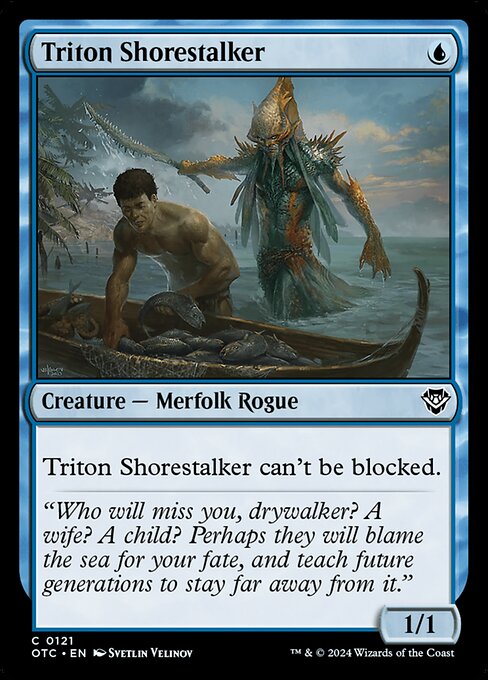
The sequence is always the same and it is worth learning precisely: attack with a cheap unblockable creature, wait until blockers are declared and it is unblocked, then pay four mana to bounce it and put a huge creature from your hand onto the battlefield tapped and attacking. The big creature's enter trigger happens, it deals its combat damage, and the cheap creature is back in your hand to do it again next turn. Changeling Outcast is the perfect enabler, costing one black mana and being unable to block or be blocked, which means it is always unblocked and never useful for anything else.
Enter triggers, not just size
Because the creature arrives attacking, its combat damage is a bonus on top of whatever it does when it enters, and the enter trigger is usually the bigger half. Massacre Wurm shrinks every opposing creature by two when it arrives and drains for each one that dies, which with ninjutsu costs you four mana instead of six. Grave Titan brings four Zombies between its enter and attack triggers. Pick creatures whose arrival changes the board, not just ones with big numbers.
Cheap and unblockable beats cheap and good
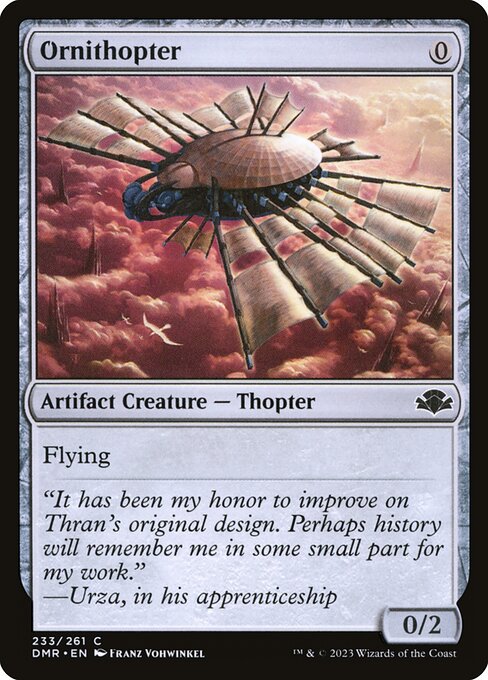
The enabler creature has no job except to be unblocked, so the ideal one costs almost nothing and has no other purpose. Ornithopter costs zero and flies, which is unblockable enough against most boards. Changeling Outcast genuinely cannot be blocked. Neither card is good, and that is fine; they are the key you turn, and spending real card quality on the enabler slot is a mistake.
Four mana, every turn
Ninjutsu at four mana is not cheap, and the deck often wants to do it alongside casting something else. That makes ramp more important than it looks for a three-colour-light deck: Dimir Signet and Sol Ring are what let you ninjutsu and hold up interaction in the same turn. The dig for three cards triggers only once each turn, so a second ninjutsu in a turn is purely for the creature, not the card selection.
Where it goes wrong
This deck loses to cheap removal pointed at the commander, because without Satoru the creature cards in your hand are just expensive creatures you have to cast normally. It also loses when your enablers are answered, since no unblocked attacker means no ninjutsu at all; run more of them than feels necessary. The common building mistake is filling the deck with big creatures that are merely large. Without an enter trigger, a ninjutsu creature deals its damage once and then you have spent four mana on a surprise attacker. The second mistake is ninjutsuing too early in combat; wait until blockers are declared, or you have given away the plan for nothing.
Five cards to start with
- Changeling Outcast — One mana, literally cannot be blocked, and has no other use, which makes it the ideal ninjutsu key.
- Ornithopter — Costs nothing at all and flies over most boards, so every hand can enable the combo.
- Massacre Wurm — A six-mana board wipe and drain that ninjutsu buys for four, arriving already attacking.
- Grave Titan — Four Zombies between its enter and attack triggers, both of which happen on the ninjutsu turn.
- Dimir Signet — Ninjutsu costs four every turn, and this is what lets you do it and still hold up a card.
Most-played cards
20 cards · about $165Play rates from EDHREC. Prices from Scryfall, refreshed daily.
Ramp (1)

Card draw (2)
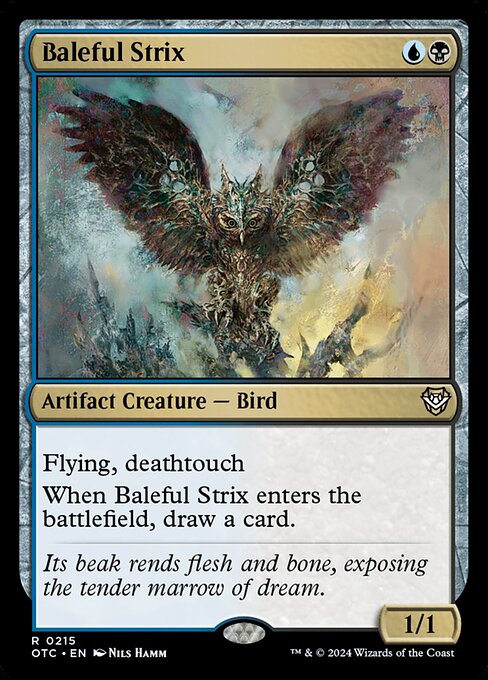

Counterspells (1)
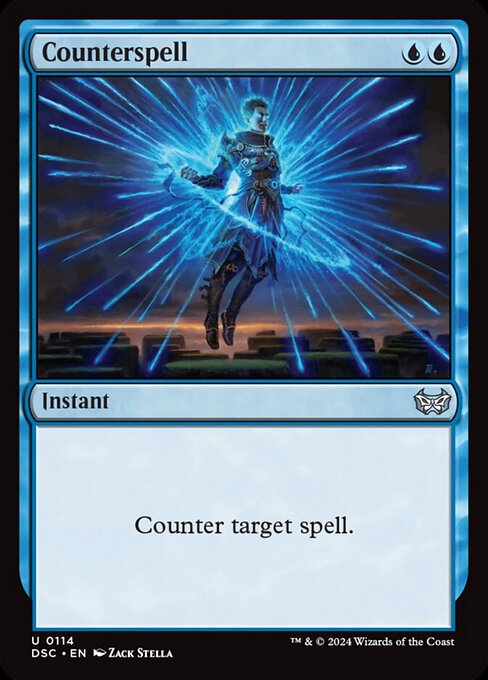
Creatures (15)


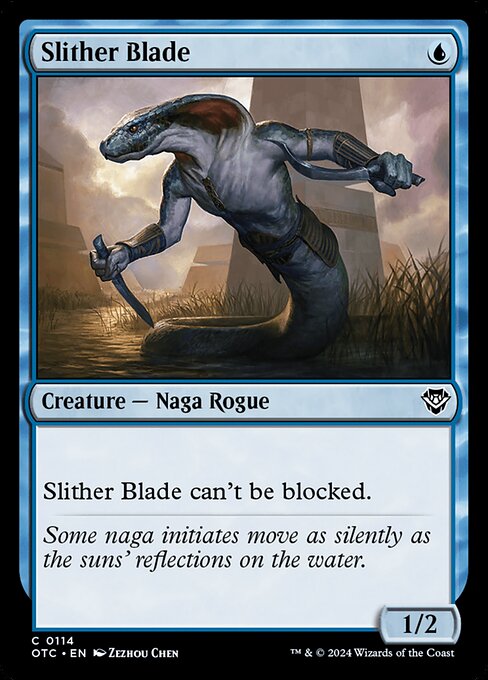





Lands (1)

Build the full 100
Grimoire generates a complete, Commander-legal Satoru Umezawa decklist with a written strategy, a full mana base and live prices — from the whole card pool, or only from cards you already own.
Start with Satoru UmezawaSatoru Umezawa deck questions
What colors can I use in a Satoru Umezawa deck?
Satoru Umezawa has a Dimir color identity, so every card in the deck must be blue and black or colorless. That includes mana symbols in rules text, not just casting cost.
What are the best cards for Satoru Umezawa?
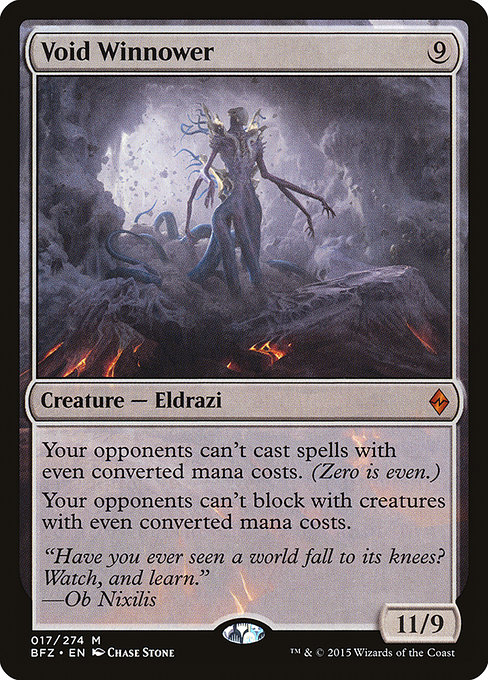
The cards played most often in Satoru Umezawa decks include Avacyn, Angel of Horror, Turbulent Wetlands, Emrakul, the Exigent Doom. The full list of staples above is grouped by the job each card does, so you can see the deck's skeleton rather than just a pile of names.
How much does a Satoru Umezawa deck cost?
The 20 most-played cards shown above come to roughly $165 at current market prices. A complete 100-card build costs more, and Grimoire can generate a budget version instead if you set a price ceiling.
Can I build a Satoru Umezawa deck from cards I already own?
Yes. Import your collection into Grimoire and choose "my cards" when you build. The generator will only use cards you actually own, and the Missing Cards page shows what you would need to buy to finish any list.