Loki, the Deceiver

Whenever Loki attacks, create a tapped and attacking token that's a copy of another target Villain you control, except it isn't legendary and it's an Illusion in addition to its other types. Sacrifice that token at the beginning of the next end step. Whenever one or more Villains you control deal combat damage to a player, draw a card.
How Loki decks play in EDH
Loki is a four-mana commander in blue, black and red who, whenever he attacks, copies another Villain you control as a tapped and attacking token. He also draws you a card whenever Villains you control deal combat damage to a player. Build him if you want a deck built around one creature type where attacking is also how you draw cards.
The engine
The copy arrives tapped and attacking, which means it skips the usual problem with token copies: it is already in combat the turn it is made. More importantly, it enters the battlefield, so any Villain whose value is in its enter-the-battlefield trigger gets that trigger again every single time you attack. Black Cat, Cunning Thief is the standout, because her trigger exiles two cards off an opponent's library that you may play, and copying her turns that from a one-time effect into a repeating one. Carnage, Crimson Chaos does the same with reanimation, returning a cheap creature card from your graveyard whenever he enters. The token is sacrificed at the next end step, so you lose the body but keep everything the trigger gave you.
Enter-the-battlefield Villains are the payoff
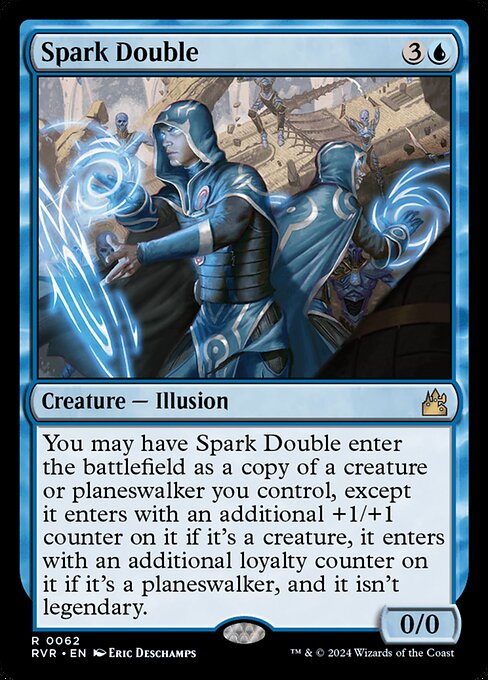
When you are choosing which Villains to play, the question is what happens when one enters, not how big it is. A large Villain with no trigger gives you a body for one combat. A cheap Villain with a strong enter trigger gives you that effect every turn for the rest of the game. This also means copies do not carry counters, so a Villain whose power comes from counters it accumulated will arrive as a plain version of itself.
Attacking is your draw step
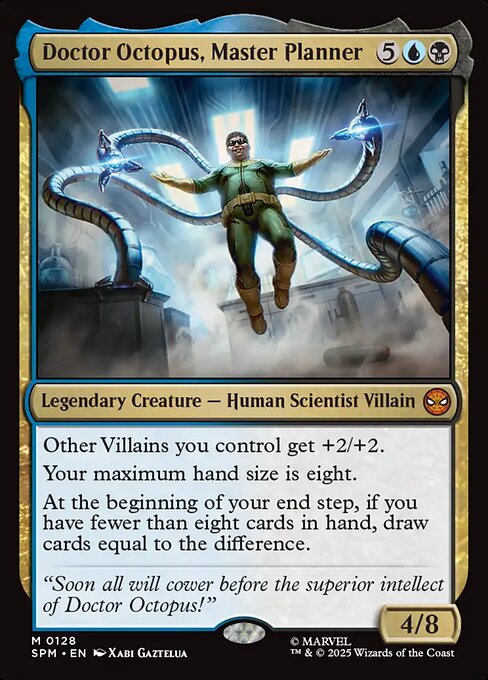
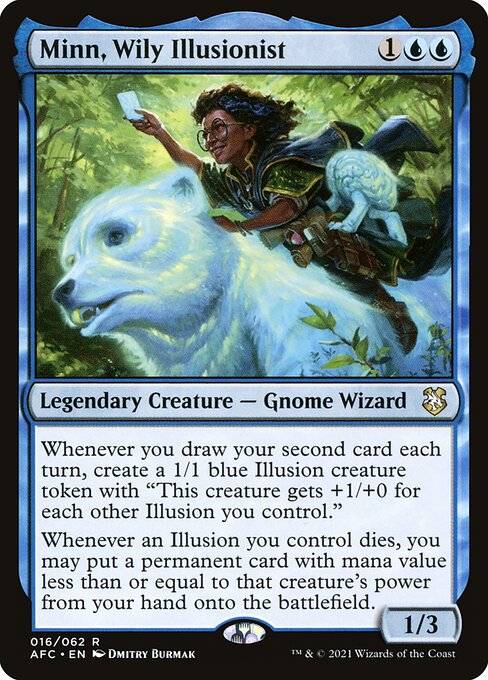
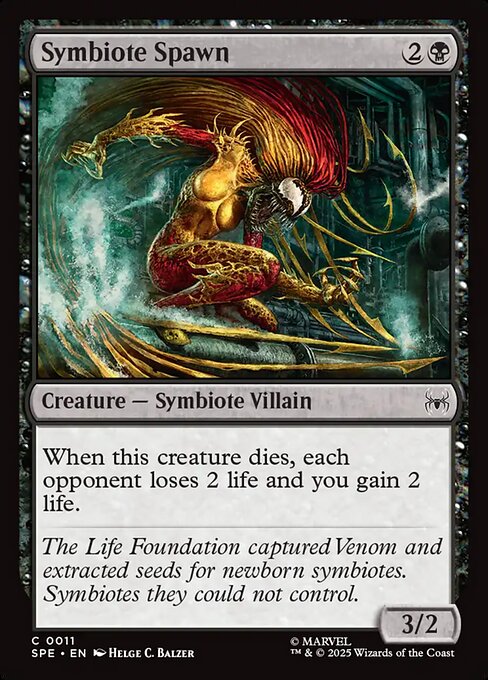
The second ability draws a card whenever one or more Villains you control deal combat damage to a player, and it is worded as one or more, so a single connection is one card rather than one per creature. That still means every attack that gets through is a card, and the token Loki makes is an extra attacker that may be the one to connect. Cheap evasive Villains are therefore worth more than expensive ground ones, because what you need is damage reaching a player at all.
Paying for three colors
Four mana across blue, black and red is a demanding cast, and Loki is the kind of commander opponents remove on sight because the deck stops functioning without him. Baron Strucker, HYDRA Overlord helps on both fronts, making your Villain spells cheaper and conniving when another Villain enters, which smooths the draws. Sol Ring and Talisman of Dominance are there so the second and third casts of the commander do not cost you entire turns.
Where it goes wrong
This deck loses when Loki is answered, because the copy ability and the card draw both come from him, and a deck of Villains with no Loki is a pile of unconnected creatures. The deck also needs a second Villain on the battlefield before the attack trigger does anything at all, so a hand with the commander and no cheap Villains is a hand that does nothing. The common building mistake is choosing Villains by power level rather than by creature type and trigger. Every creature in the deck should be asking whether it is a Villain and whether copying it does something, and a strong creature that is neither is a card that has wandered in from a different deck.
Five cards to start with
- Black Cat, Cunning Thief — Her enter trigger gives you cards from an opponent's library, and Loki turns that into a repeatable effect every attack.
- Carnage, Crimson Chaos — Returns a cheap creature from your graveyard whenever he enters, which copying turns into recursion every combat.
- Baron Strucker, HYDRA Overlord — Makes every Villain spell cheaper and filters your draws, which is exactly what a tribal deck in three colors needs.
- Sol Ring — Loki will be removed repeatedly and four mana in three colors is expensive to pay twice without it.
- Talisman of Dominance — Fixes two of the three colors and keeps the commander castable on turn three rather than turn five.
Most-played cards
20 cards · about $82.65Play rates from EDHREC. Prices from Scryfall, refreshed daily.
Card draw (3)


Creatures (13)






Synergy & payoffs (1)

Lands (3)


Build the full 100
Grimoire generates a complete, Commander-legal Loki, the Deceiver decklist with a written strategy, a full mana base and live prices — from the whole card pool, or only from cards you already own.
Start with LokiLoki deck questions
What colors can I use in a Loki, the Deceiver deck?
Loki, the Deceiver has a Grixis color identity, so every card in the deck must be blue, black and red or colorless. That includes mana symbols in rules text, not just casting cost.
What are the best cards for Loki, the Deceiver?
The cards played most often in Loki, the Deceiver decks include Hall of Echoes, Hela, Mistress of Darkness // Dark Tutor, Turbulent Crater. The full list of staples above is grouped by the job each card does, so you can see the deck's skeleton rather than just a pile of names.
How much does a Loki, the Deceiver deck cost?
The 20 most-played cards shown above come to roughly $82.65 at current market prices. A complete 100-card build costs more, and Grimoire can generate a budget version instead if you set a price ceiling.
Can I build a Loki, the Deceiver deck from cards I already own?
Yes. Import your collection into Grimoire and choose "my cards" when you build. The generator will only use cards you actually own, and the Missing Cards page shows what you would need to buy to finish any list.