Keruga, the Macrosage
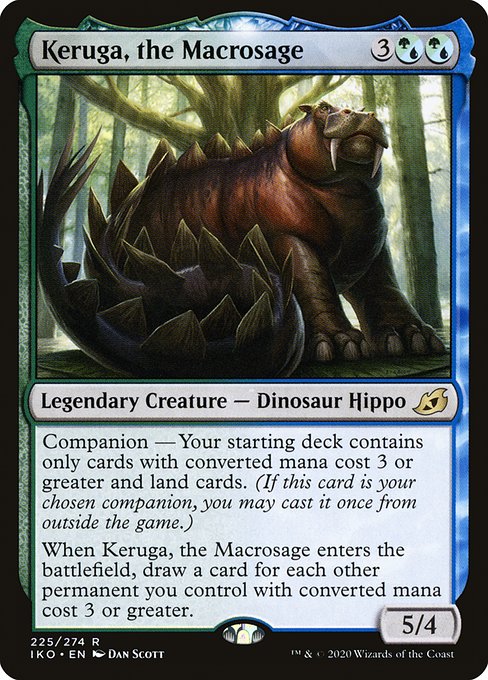
Companion — Your starting deck contains only cards with mana value 3 or greater and land cards. (If this card is your chosen companion, you may put it into your hand from outside the game for {3} as a sorcery.) When Keruga enters, draw a card for each other permanent you control with mana value 3 or greater.
How Keruga decks play in EDH
Keruga costs five mana in green and blue and draws a card for each other permanent you control with mana value 3 or greater when it enters. As a commander it is a repeatable refill, and the companion clause printed on it does not apply unless you are actually using it as a companion. Build it if you want a ramp deck that cashes its board in for a new hand every time the commander returns.
The engine
The count is permanents with mana value 3 or greater, which includes artifacts, enchantments and creatures, not just big creatures. In a deck of three and four-mana permanents that is a hand of cards on arrival, and because it is an enter trigger rather than a one-time cast effect, blinking or recasting Keruga does it again. Academy Manufactor costs three, Solemn Simulacrum costs four, Crucible of Worlds costs three; each of those is a card drawn and a permanent that does something useful on its own.
The companion rule does not apply
Keruga's first ability restricts your starting deck to cards with mana value 3 or greater and lands, but that restriction exists only if Keruga is your chosen companion sitting outside the game. As your commander it is simply in the command zone, and you can play cheap cards freely. A lot of people read the card and build a deck with no one or two-drops in it for no reason at all.
Build the curve upward anyway
Even without the restriction, the draw trigger rewards a board of expensive permanents, so the deck naturally wants a higher curve than most. The trick is balance: enough three-plus permanents that Keruga draws four or five cards, and enough cheap ramp and interaction that you survive to cast him. Chromatic Lantern at three mana is the shape to look for, a card that fixes your mana and counts for the trigger.
Recasting is the plan
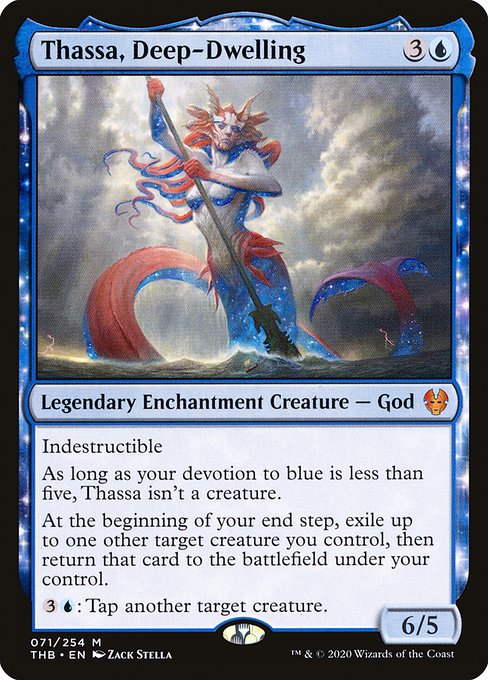
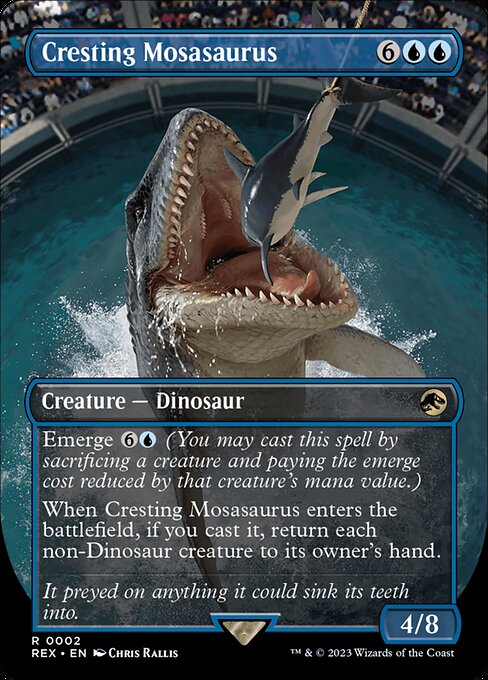
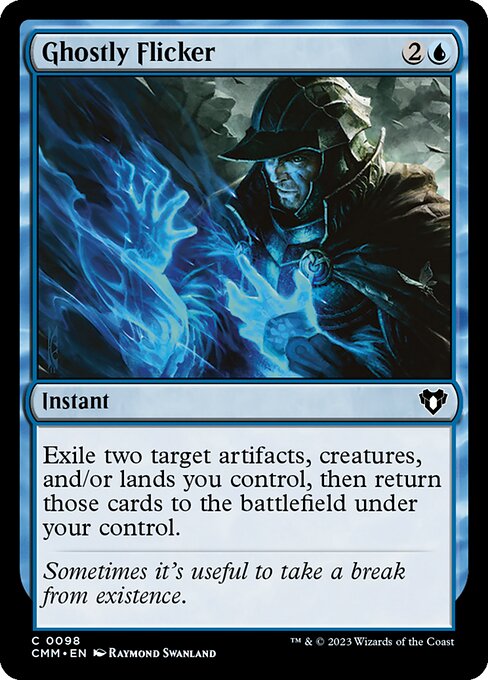
Because the payoff is an enter trigger, the deck gets better the more times Keruga enters. Commander tax makes that expensive quickly, so flicker and bounce effects are worth real slots here, and so is simply having the mana to recast him at seven or nine. A deck that casts him once and draws four cards has done fine; a deck that casts him three times has drawn twelve.
Where it goes wrong
This deck loses to being too slow, which is the consequence of a deliberately high curve, and to board wipes, since the permanents that power the draw are the same ones a sweeper takes. The common building mistake is obeying the companion restriction when playing Keruga as a commander, which throws away cheap ramp, cheap removal and the entire first two turns of the game for nothing. The second mistake is counting only creatures when building toward the trigger, when artifacts and enchantments at three or more mana count just as well and survive creature wipes.
Five cards to start with
- Academy Manufactor — A three-mana artifact that counts for the trigger and turns every token you make into three.
- Solemn Simulacrum — Four mana that ramps, counts toward the draw, and replaces itself when it dies.
- Crucible of Worlds — A three-mana artifact that counts for the trigger and turns every land in your graveyard into a land drop.
- Chromatic Lantern — Fixes both colours, counts toward the trigger, and is exactly the kind of three-drop this deck wants.
- Beast Whisperer — Draws a card for every creature spell, which in a deck of expensive creatures is real card advantage.
Most-played cards
20 cards · about $33.13Play rates from EDHREC. Prices from Scryfall, refreshed daily.
Ramp (4)


Card draw (4)


Removal (2)

Creatures (7)




Synergy & payoffs (3)


Build the full 100
Grimoire generates a complete, Commander-legal Keruga, the Macrosage decklist with a written strategy, a full mana base and live prices — from the whole card pool, or only from cards you already own.
Start with KerugaKeruga deck questions
What colors can I use in a Keruga, the Macrosage deck?
Keruga, the Macrosage has a Simic color identity, so every card in the deck must be blue and green or colorless. That includes mana symbols in rules text, not just casting cost.
What are the best cards for Keruga, the Macrosage?
The cards played most often in Keruga, the Macrosage decks include Simulacrum Shaper, Pavel Chekov, First Posting, Colossal Clone Master. The full list of staples above is grouped by the job each card does, so you can see the deck's skeleton rather than just a pile of names.
How much does a Keruga, the Macrosage deck cost?
The 20 most-played cards shown above come to roughly $33.13 at current market prices. A complete 100-card build costs more, and Grimoire can generate a budget version instead if you set a price ceiling.
Can I build a Keruga, the Macrosage deck from cards I already own?
Yes. Import your collection into Grimoire and choose "my cards" when you build. The generator will only use cards you actually own, and the Missing Cards page shows what you would need to buy to finish any list.